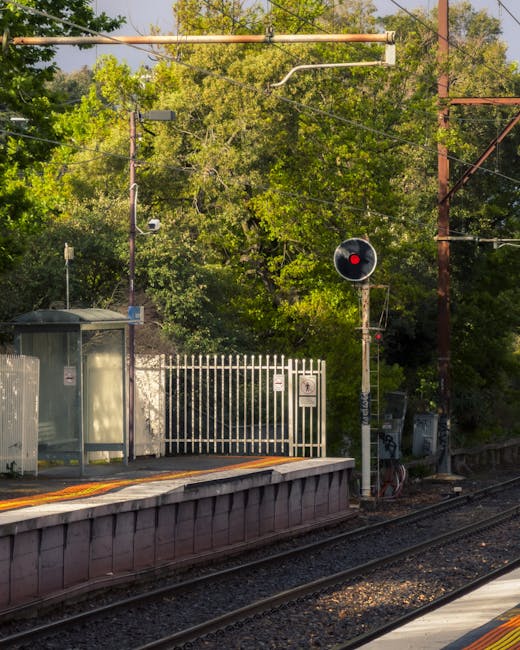
Maida Vale station area garden maintenance for commuters
If you live or work near Maida Vale station, keeping a garden under control can feel like one more thing fighting for your time. Early trains, late returns, wet evenings, and the usual London pace all leave very little room for hedge trimming, deadheading, mowing, or even just checking whether the front path has started to disappear under plants. That is exactly where Maida Vale station area garden maintenance for commuters becomes genuinely useful: a practical, time-saving way to keep outdoor space tidy, healthy, and presentable without turning your week upside down.
This guide explains how commuter-friendly garden care works, who it suits, what to expect, and how to avoid the little issues that quietly build into bigger jobs later on. You will also find a step-by-step approach, a checklist, a comparison table, and a few sensible trust and compliance points. Nothing fluffy. Just the sort of advice that helps when you need the garden looking sorted before the week runs away with you.
Table of Contents
- Why Maida Vale station area garden maintenance for commuters Matters
- How Maida Vale station area garden maintenance for commuters Works
- Key Benefits and Practical Advantages
- Who This Is For and When It Makes Sense
- Step-by-Step Guidance
- Expert Tips for Better Results
- Common Mistakes to Avoid
- Tools, Resources and Recommendations
- Law, Compliance, Standards, or Best Practice
- Options, Methods, or Comparison Table
- Case Study or Real-World Example
- Practical Checklist
- Conclusion
- Frequently Asked Questions
Why Maida Vale station area garden maintenance for commuters Matters
Gardens around a busy station area need a slightly different approach from large suburban plots. Commuters tend to want the same thing: a garden that looks cared for without demanding constant attention. That means tidy edges, healthy planting, safe access, and seasonal work done before it starts becoming a weekend crisis.
Near Maida Vale, that need is often sharper than people expect. The area's terraces, small front gardens, shared access routes, and compact outdoor spaces can look elegant when kept on top of, but they can also become messy very quickly. One windy week and a few missed trims later, and suddenly the front path feels narrower, planters are overcrowded, and the whole place looks a bit forgotten. Not a disaster. Just irritating.
For commuters, the point is not perfection. It is reliability. A regular maintenance routine means you come home to something manageable rather than a job list waiting in the dark. It also helps with small but real things like visibility at the entrance, safe access for visitors, and better plant health over time.
Expert summary: The best commuter garden maintenance is calm, predictable, and seasonal. It keeps the space neat enough to enjoy, but light enough that it does not start eating your evenings or weekends.
How Maida Vale station area garden maintenance for commuters Works
In practice, commuter-focused garden maintenance is usually built around short, repeatable visits or planned seasonal visits rather than one-off rescue jobs. The aim is to deal with the work that tends to stack up quietly: hedge reduction, lawn care, weeding, pruning, leaf clearance, border tidy-ups, and general reset work after weather changes.
A sensible routine often starts with a walk-through of the garden, noting what needs immediate attention and what can wait. Then the work is grouped by priority. For example, the front of the property might need to be kept especially tidy because that is what you see first at 7.30 in the morning with a coffee in one hand and a bag on your shoulder. The rear garden may need more seasonal attention, like pruning or soil improvement. Small details, but they matter.
Good maintenance also considers access and timing. If you are out during the day, the garden work may need to happen in a narrow window. Clear instructions, straightforward scheduling, and tidy completion become just as important as the gardening itself. This is why many homeowners prefer a service structure that is easy to manage and transparent from the start. It helps to review the provider's garden service overview and, if you are comparing options, the pricing and quotes information so there are no surprises later.
There is also a sustainability angle. A good local maintenance routine usually includes sensible green waste handling, careful pruning rather than overcutting, and choosing methods that support plant recovery. If that matters to you, have a look at the company's recycling and sustainability approach before booking. Little things, but they add up.
Key Benefits and Practical Advantages
Let's be honest: most commuters are not looking for a horticultural masterpiece. They want a garden that behaves itself. The benefits of regular maintenance around Maida Vale station are therefore practical first, aesthetic second, and stress-reducing throughout.
- Less weekend pressure: the routine jobs are handled before they become a full-day task.
- Better first impressions: tidy planting and clean edges make a property feel looked after.
- Safer access: paths, steps, and entrances stay clearer, which helps everyone coming and going.
- Healthier plants: regular pruning and feeding often work better than a rare, heavy-handed cut.
- Lower long-term effort: small, timely tasks are usually easier and cheaper than big recovery work.
- More usable outdoor space: even a compact garden feels bigger when it is properly maintained.
There is another advantage that people often miss: a garden that is checked regularly tends to reveal issues early. You spot drainage problems, overgrown roots, pest damage, or a border that needs reshaping before it gets messy. In gardening, as in life, the small warning signs are usually the useful ones.
For commuters with a gate, shared access, or front-facing beds, routine care also helps keep the outside of the property consistent with the inside. It sounds simple, but the difference between "pleasantly tidy" and "slightly neglected" is often just a small amount of regular attention.
Who This Is For and When It Makes Sense
This kind of maintenance is a good fit for a few types of people, and most of them have one thing in common: they are busy. Very busy, sometimes.
It makes particular sense if you are:
- a commuter who leaves early and gets home late;
- a landlord or property manager wanting the exterior to stay presentable between tenancies;
- a homeowner with a small or medium-sized garden near Maida Vale station;
- a professional couple balancing work, travel, and family life;
- someone who likes a tidy garden but does not want the hassle of maintaining tools or waste.
It can also suit people who are physically able to garden sometimes, but not every time. Truth be told, many homeowners enjoy the lighter bits-deadheading, watering, a bit of pot rearranging-but prefer to hand over the heavier work like hedge shaping, clearing, or seasonal cutting back. Fair enough.
Another clear trigger is seasonal pressure. Spring growth can surge quickly, and autumn leaf fall can become relentless. If you notice that jobs are piling up every six to eight weeks, you probably need a routine rather than occasional catch-up visits.
Step-by-Step Guidance
If you are trying to organise commuter-friendly garden maintenance for the first time, keep the process simple. The best systems are the ones you can actually stick to.
- Walk the space properly. Note what grows fastest, where the light falls, which areas get slippery, and what annoys you most when you arrive home.
- Decide what needs routine care. Common repeat tasks include mowing, edging, hedge trimming, weeding, pruning, clearing leaves, and checking for overgrowth.
- Separate essential work from nice-to-have work. The front path and access points come first. Decorative tidying can follow.
- Choose a maintenance rhythm. Weekly, fortnightly, monthly, or seasonal visits all have different pros and cons. A small courtyard may need less than a planted family garden.
- Set access expectations. If you are away during working hours, make it clear how entry will be arranged and where tools or waste should be left.
- Ask about waste removal. Green waste builds up quickly. Clarify whether it will be removed, composted, bagged, or left for collection.
- Review the finished result. A tidy edge, clean path, and balanced cut often matter more than a dramatic transformation.
A useful habit is to keep a very short note list after each visit. What worked, what still needs attention, what felt overdone, what could wait. It sounds almost too simple, but it saves time. And it helps everyone stay on the same page, which is handy when life is already a bit rushed.
If you want to know more about the company behind the service, the about us page is a sensible place to start. For direct help arranging a visit, use the contact page rather than leaving things half-decided by text or memory. Memory is a slippery thing on a Monday morning.
Expert Tips for Better Results
From experience, the best garden maintenance results come from doing a few things consistently rather than trying to do everything at once. A garden can tolerate a surprising amount of imperfection. It cannot tolerate neglect for long. That's the blunt version.
- Trim before plants become unruly. Light, regular shaping usually looks better than heavy correction.
- Keep the entrance line clean. Even if the rest of the garden is mid-season and lively, the front boundary should look intentional.
- Work with the growth cycle. Some plants bounce back strongly after pruning; others sulk for weeks if cut at the wrong time.
- Leave room for airflow. Crowded planting can trap moisture and encourage problems, especially in shaded urban gardens.
- Use the right finish for the setting. A neat urban garden often looks best with crisp edges and controlled layers rather than overly formal shaping.
- Do a quick weather check. A damp morning can make cuts messier and walking surfaces less safe. Basic, but worth saying.
One small observation from real life: gardens near station routes often need a bit more resilience than people think. Foot traffic, narrow access, and changing light conditions all affect how the space is used. A maintenance plan that works at noon in summer might feel very different in a wet November evening. So build around your actual routine, not an idealised one.
If safety and accountability matter to you, it is also worth checking the provider's insurance and safety information and their health and safety policy. Not exciting reading, no, but reassuring. And reassuring is good.
Common Mistakes to Avoid
People rarely get garden maintenance wrong in dramatic ways. It is usually the small misjudgements that cause the bother.
- Waiting until everything looks bad. This turns manageable upkeep into catch-up work.
- Cutting too hard, too fast. Over-pruning can stress plants and leave the garden looking bare.
- Ignoring the front approach. The entrance is what you and your visitors see first.
- Forgetting waste. A tidy cut with nowhere for clippings to go is only half-done.
- Using the same schedule all year. Spring and autumn often need more attention than quiet summer stretches.
- Not being clear about access. Missed arrangements waste time and create avoidable friction.
There is also a subtle mistake many commuters make: assuming that because the garden is small, it cannot need a proper system. In a way, the opposite is true. Small spaces reveal clutter faster. One untidy corner can make the whole area feel neglected. That's just how the eye works.
Tools, Resources and Recommendations
You do not need a warehouse full of equipment for routine maintenance, but the right tools make the job cleaner and quicker. If you are doing light DIY care between visits, these are the basics worth having:
- sharp secateurs for small stems and deadheading;
- hedge shears or a hedge trimmer for shaping;
- a reliable lawn mower, if you have lawn areas;
- gloves that actually fit properly;
- a rake and leaf bags for seasonal clean-up;
- a watering can or hose with sensible reach;
- basic twine or plant supports for climbing growth.
For homeowners who prefer not to buy and store tools, a maintenance service can simply handle the lot. That can be especially sensible in flats with limited storage or houses where the shed has quietly become a second archive. We have all seen that shed.
Before choosing a provider, it helps to compare what is included, what is extra, and how work is priced. The company's pricing and quotes page should answer the practical questions, while the services overview gives a clearer sense of the full range of garden care available. If you value transparency in how personal information is handled during enquiries, their privacy policy is also worth a quick look.
Law, Compliance, Standards, or Best Practice
For most garden maintenance jobs, the key concern is not heavy regulation, but responsible practice. In a residential London setting, that usually means working safely, respecting neighbours, handling waste properly, and avoiding unnecessary disturbance.
Good practice typically includes:
- clear communication about access and timing;
- safe use and storage of tools;
- reasonable care around paths, steps, and shared entrances;
- proper handling of clippings and green waste;
- respect for boundaries, property lines, and adjoining gardens;
- honest scope descriptions so the work done matches what was agreed.
If you are hiring help, it is sensible to understand the provider's standards around safety, insurance, payments, and complaint handling. Those are not glamorous topics, but they are part of a professional setup. Relevant supporting pages include insurance and safety, payment and security, and the terms and conditions. If you ever need a clearer route for feedback, the complaints procedure is there for that exact reason.
For businesses serving all customers well, accessibility matters too. A small detail, but an important one. If relevant to how you interact with the service, the accessibility statement explains the company's approach. It is the sort of thing that tells you whether a business has thought beyond the obvious.
Options, Methods, or Comparison Table
There are several ways to manage garden care near Maida Vale station, and the right choice depends on how much time, storage, and energy you have. Here is a simple comparison.
| Approach | Best for | Advantages | Limitations |
|---|---|---|---|
| DIY top-up care | People with time, tools, and modest upkeep needs | Flexible, hands-on, lower direct cost | Easy to delay, can become tiring, requires storage |
| Regular maintenance visits | Busy commuters and small urban gardens | Keeps things consistently tidy, low hassle | Needs scheduling and clear instructions |
| Seasonal intensive visits | Gardens that mostly cope but need periodic resets | Good for spring and autumn peaks | Can still leave long gaps between care |
| One-off tidy-up | Overgrown spaces or move-in/move-out situations | Fast visible improvement | Does not solve ongoing upkeep by itself |
For many commuters, the sweet spot is a light recurring service plus the occasional seasonal reset. That keeps the garden stable without overcommitting time or budget. It also feels less like "another chore" and more like a sensible household routine. Which, to be fair, is how it should feel.
Case Study or Real-World Example
Imagine a typical Maida Vale commuter household: two adults, both travelling most weekdays, with a narrow front area, a modest rear garden, and a couple of beds that always seem to grow faster than expected. In spring, the lavender starts pushing outwards, the hedge loses its shape, and a few weeds appear in the paving joints. Nothing alarming. Just enough to make the space look untidy.
They switch from occasional DIY clean-ups to a planned maintenance schedule. The first visit tackles the overgrowth, sharpens the edges, clears the path, and removes the clutter from the border. The next visits are much lighter: a trim here, a weed check there, a bit of seasonal pruning. The result is not a dramatic makeover. It is better than that. It becomes easy to live with.
That is the real win for commuters. Not spectacle. Stability. By the time Friday evening rolls around, the garden is ready for use rather than waiting for rescue. And yes, the place smells a bit fresher after rain, which somehow makes home feel more like home.
Practical Checklist
Use this checklist before booking or planning your next round of maintenance.
- Is the garden mainly front, rear, or both?
- Which tasks keep slipping: mowing, hedge trimming, weeding, pruning, or waste removal?
- Do you need a one-off tidy-up or an ongoing schedule?
- Are there access instructions for when you are not home?
- Is there a safe place for waste bags or tools?
- Do paths, steps, or entrances need extra attention?
- Are any plants delicate, newly planted, or due for seasonal care?
- Do you want eco-conscious disposal and recycling of garden waste?
- Have you checked the provider's service details, safety approach, and pricing?
- Have you chosen a schedule you can actually maintain?
If you can tick most of those off, you are in a strong position. If not, that is fine too. It usually just means the job needs a bit more planning before the first visit.
Get a free quote today and see how much you can save.
Conclusion
Maida Vale station area garden maintenance for commuters is really about making life easier without sacrificing the look or feel of your outdoor space. A well-kept garden near the station does not need to be extravagant. It needs to be dependable, tidy, and easy to enjoy after a long day. That is the whole point.
With the right routine, the right expectations, and a sensible approach to access, safety, and seasonal work, your garden can stay in good shape all year. No panic weekends. No overgrown surprises. Just a space that quietly does its job and makes coming home feel a bit more settled. And that, honestly, is a lovely thing.
Frequently Asked Questions
What does Maida Vale station area garden maintenance for commuters usually include?
It usually includes routine upkeep such as hedge trimming, weeding, pruning, mowing where needed, border tidying, leaf clearance, and general seasonal reset work. The exact mix depends on the garden and how often it is maintained.
How often should a commuter garden near Maida Vale be maintained?
That depends on the size of the garden and how quickly it grows, but many busy homeowners find that monthly or fortnightly visits keep things under control. Spring and autumn often need a bit more attention.
Is regular garden maintenance better than one-off tidy-ups?
For most commuter households, yes. Regular maintenance prevents overgrowth, reduces stress, and usually keeps the space looking consistently neat. One-off tidy-ups are useful, but they do not stop the cycle from repeating.
Can garden maintenance be done while I am at work?
Yes, usually. Many commuters prefer work to be carried out during the day while they are away. The important part is arranging access clearly and giving straightforward instructions for entry and waste handling.
What if my garden is very small?
Small gardens often benefit even more from regular maintenance because clutter, weeds, and untrimmed growth show quickly in compact spaces. A light, consistent routine can make a surprisingly big difference.
How do I know if I need hedge trimming, pruning, or a full tidy-up?
If plants have simply grown beyond their shape, trimming may be enough. If branches are crossing, deadwood is building up, or the whole space feels messy, pruning or a broader tidy-up may be more suitable. A proper walk-through helps decide.
What should I ask before booking a local garden maintenance service?
Ask what is included, how often visits are recommended, how waste is removed, whether access is needed, how pricing is structured, and what happens if weather affects the schedule. Those questions save a lot of back-and-forth later.
Is green waste usually removed as part of the service?
Sometimes yes, sometimes as an added part of the visit. It is best to confirm in advance. Green waste can build up quickly, especially after pruning or hedge cutting, so clarity on disposal matters.
Can maintenance help with safety around steps and paths?
Yes. Keeping paths clear, cutting back overhanging growth, and removing slippery leaves or mossy debris can make access safer. It is one of the practical benefits people notice most in everyday use.
How do I compare different maintenance options fairly?
Look at more than the headline price. Compare what is included, how often visits happen, whether waste is handled, how the provider communicates, and whether they have clear safety and insurance information. A cheap quote is not much help if the work is vague.
What if I want the garden to look tidy but still natural?
That is very common. A good maintenance plan can keep structure, shape, and access under control while leaving planting softer and more relaxed. The trick is balance, not over-cutting everything into submission.
Who should I contact if I want to discuss a regular plan?
The easiest next step is to use the contact page and explain what sort of garden you have, how often you are home, and what keeps getting missed. A clear first message usually leads to a better recommendation.