Narrow access gardens Maida Vale gardeners access solutions
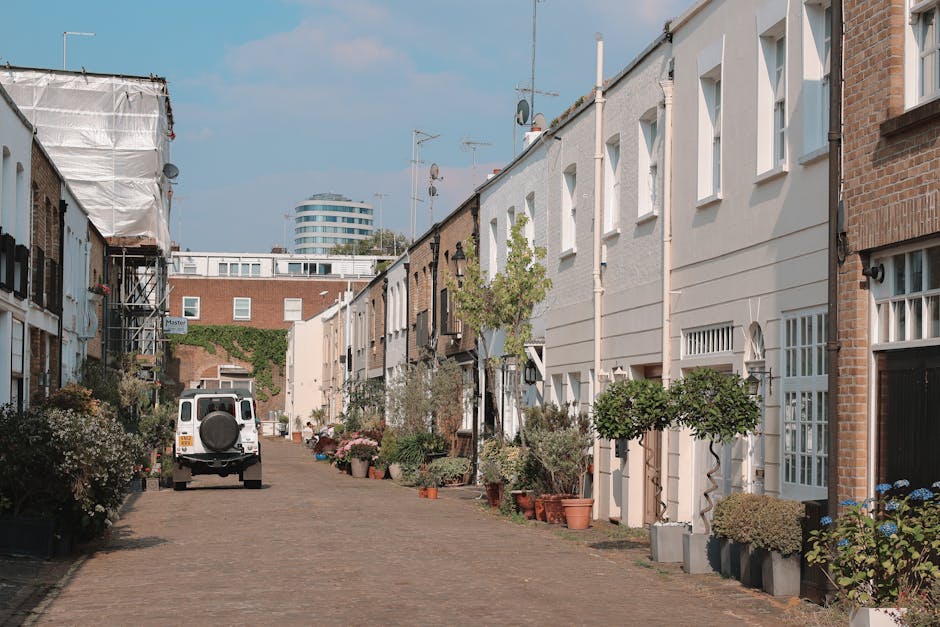
If you have a garden tucked behind a basement flat, reached only through a side passage, or squeezed between brick walls and bin stores, you already know the problem: ordinary garden work is rarely ordinary. Narrow access gardens Maida Vale gardeners access solutions are about making that awkward route workable, safe, and efficient without turning your home into a construction site. In a place like Maida Vale, where terraces, mansion blocks, and compact rear plots often come with tight entrances, the difference between a smooth visit and a frustrating one is usually planning.
This guide explains what access-led garden work really involves, how a good gardener approaches it, and what you should expect when the only way in is a slim path, a shared gate, or a hallway with a sharp turn. We will look at practical methods, common pitfalls, and the small details that make a big difference. Truth be told, it is often the logistics, not the gardening itself, that decide how well the job goes.
Why Narrow access gardens Maida Vale gardeners access solutions Matters
Narrow access changes everything. A mower that would be perfect on an open lawn may be useless if it cannot fit through the gate. A compost bag may be easy to move in theory, but a tight communal hallway, a steep step, or a long walk from road to garden can slow the whole visit down. In Maida Vale, that kind of access challenge is not unusual at all.
Good access planning matters because it protects the garden, the property, and the people working there. If the route in is tight, there is a greater risk of scuffs on walls, broken pots, damaged paving, or wasted time carrying kit back and forth. And let's face it, nobody wants a gardener lugging branches through a passageway that was clearly never designed for a wheelbarrow.
It also matters for consistency. A well-run visit is much more likely when the team knows whether they need compact tools, sectional loading, extra labour, or a split approach for removing waste. That is especially important in gardens that need repeated visits, such as ongoing garden maintenance, seasonal tidy-ups, or regular mowing in spaces that do not forgive clumsy equipment choices.
There is also the human side of it. Narrow access can feel stressful for homeowners who worry that a job will be "too difficult" or too expensive. In practice, many awkward spaces are perfectly manageable with the right approach. A calm, methodical plan tends to beat brute force every time. Usually, anyway.
How Narrow access gardens Maida Vale gardeners access solutions Works
The process starts before anyone lifts a spade. A competent gardener will look at the route into the garden, the size of the opening, the surface underfoot, nearby obstacles, and where waste can be staged or removed. Sometimes that means a quick site visit. Sometimes it means detailed photos, measurements, and a few clear questions before the job is booked.
In practice, access solutions usually combine several tactics:
- Tool selection: compact, lightweight, or modular equipment that can be carried through tight points.
- Task sequencing: doing the heaviest work first, or breaking the job into sections so waste never builds up in the wrong place.
- Material handling: using bags, tubs, buckets, or smaller containers instead of oversized loads.
- Protective measures: dust sheets, corner guards, careful lifting, and controlled movement through shared or delicate spaces.
- Waste strategy: deciding whether green waste can be moved in stages, loaded directly, or best handled through a separate clearance visit.
A narrow entrance often means a garden is treated less like a single open space and more like a sequence of zones. Front approach first, then access path, then working area, then waste exit. That sounds simple, but it is exactly the sort of thinking that saves time and reduces the chance of damage.
Some jobs also call for specialised support, especially if the garden includes overgrown shrubs, awkward branches, or heavy clearance. In those cases, services such as garden clearance or tree lopping and removal may be part of the plan, rather than a standalone task. For larger reworks, a broader landscaping approach can help reshape the space so future access is easier.
Key Benefits and Practical Advantages
The biggest benefit is straightforward: the work gets done properly even when the route in is awkward. But there are several other advantages that matter just as much.
Less risk of damage. Thoughtful access planning reduces the chance of scraped paint, crushed plants, bent rails, or accidental knocks to paving and fences. That matters most in homes where the access route itself is part of the property's value and appearance.
Cleaner, tidier working conditions. Small spaces can get messy very quickly. A controlled approach keeps tools and cuttings where they belong. That makes a surprising difference to the final result. You notice it immediately when the last bag leaves and the path is still looking presentable.
More realistic time estimates. Once the access challenge is understood, the job can be planned with proper labour and time in mind. That means fewer surprises and fewer half-finished visits because the team underestimated the carrying distance.
Better seasonal upkeep. Narrow access gardens often become patchy simply because they are harder to service. Once access is solved, routine work like hedge trimming, mowing, and upkeep becomes more manageable. If you want a steadier rhythm through the year, hedge trimming and lawn mowing are usually easier to maintain once the garden has a clear workflow.
Less stress for everyone. Homeowners do not have to keep explaining the same access issues on every visit, and gardeners can work more confidently. That sounds modest, but in real life it is a big deal.
Expert summary: Narrow access is not just a nuisance detail. It shapes how a garden is assessed, how materials are moved, what tools are used, and how safely the work can be completed. The best access solution is the one that keeps the job efficient without turning the property into a mess.
Who This Is For and When It Makes Sense
These solutions are useful for a lot of Maida Vale properties, not just the obviously tight ones. You may need them if your garden is reached through:
- a narrow side return
- a basement corridor or lower-ground access point
- a shared entrance with limited turning space
- an alleyway with steps or uneven paving
- a rear passage blocked by bins, bikes, or stored items
- a courtyard reached through an internal hallway
They also make sense if your garden has one or more of these issues:
- large amounts of green waste that need moving out carefully
- overgrown borders that make the route even tighter
- delicate finishes that need protection while work is underway
- regular maintenance needs, but limited storage for tools outside
- shared access arrangements where neighbours need to be considered
To be fair, some homeowners only realise they need access planning after a failed attempt with the wrong equipment. That usually happens when a bulky mower gets stuck halfway through a passage, or a pile of cuttings ends up blocking the only route out. It is not ideal, but it is very fixable.
If the garden is part of a bigger redesign, this is also the moment to think about whether the layout could be improved long term. Services such as landscape gardening or even structural changes supported by decking services can help create clearer circulation and make future maintenance less awkward.
Step-by-Step Guidance
If you are approaching a narrow-access garden for the first time, a simple structure keeps the job manageable. Here is a practical way to think about it.
- Inspect the access route. Measure gates, note step heights, check for low walls, tight bends, fragile surfaces, and anything that could make carrying equipment awkward.
- List the actual tasks. Mowing, hedge trimming, clearing, pruning, weeding, waste removal, and repairs all create different access needs. Not every job needs the same setup.
- Choose compact methods. Use tools and containers that can be moved safely through the route without forcing a risky lift or an awkward twist.
- Protect the property. Cover sensitive surfaces where needed, keep tools grouped neatly, and avoid storing cuttings in the passage for longer than necessary.
- Work in the right order. Start with the areas that create the biggest mess or the heaviest waste. That keeps the route clearer for longer.
- Remove waste in stages. Small, frequent loads are often easier than trying to move everything at the end. Honestly, that one choice can save a job from becoming chaos.
- Finish with a final sweep. Check the route out as well as the garden itself. A clean access path is part of the service, not an extra.
One small but useful tip: if you are booking a gardener, send photos of both the access route and the garden itself. A close-up of the gate alone is not enough. The awkward bit is often the turn after the gate, or the stairs just beyond it. That is the bit people forget.
Expert Tips for Better Results
Good access work often comes down to habits, not heroic effort.
Keep the route clear before the visit. Moving bikes, plant pots, recycling bags, or folded furniture out of the way makes the whole process easier. Even twenty centimetres matters when tools are long or oddly shaped.
Use the smallest practical kit. That does not mean underpowered. It means suitable. A compact tool that fits the job is better than a larger one that creates friction at every doorway.
Think about waste before you think about planting. It sounds backwards, but it is often the smartest order. If you know where the cuttings are going, you can decide how the work should flow.
Schedule work at sensible times. In shared buildings or close terrace rows, quieter hours can be easier for everyone. You avoid squeezing through a busy communal area with bags of soil while someone else is trying to leave for work. Not glamorous, but practical.
Choose maintenance over rescue where possible. Gardens that are regularly maintained usually stay accessible. For many properties, a steady maintenance routine is easier and less disruptive than letting things get overgrown and then trying to sort everything in one go. Garden maintenance is often the difference between a manageable visit and a rather epic one.
Ask about insurance and safety. If access is tight, the margin for error is smaller. It is sensible to know whether the team takes care with property protection and working methods. You can also review insurance and safety information before booking, which is just good housekeeping really.
Common Mistakes to Avoid
Most access problems are avoidable. The trouble is, they are easy to underestimate until the day arrives.
- Assuming the team will "make it work". They might, but that is not the same as a proper plan.
- Sending vague photos. A picture of the garden bed tells you nothing about the narrowest doorway.
- Leaving waste strategy until the end. That is how passages get blocked and jobs run long.
- Overloading carts or bags. A smaller load often moves faster than one awkward heavy load. Common sense, but people forget.
- Ignoring shared access etiquette. If neighbours use the same route, communication matters.
- Choosing the wrong service scope. Sometimes a simple tidy-up is enough; other times you need a broader clearance or even a redesign.
Another mistake is treating a narrow garden like a one-off problem. If the access route remains awkward, the same friction will return every season. That is why some gardens benefit from a longer-term solution, not just a single tidy visit. A thoughtful tweak now can spare you a lot of irritation later.
Tools, Resources and Recommendations
You do not need specialist machinery for every job, but the right kit helps a lot. In narrow-access gardens, the best tools are usually the ones that travel well and reduce handling stress.
Useful options often include:
- compact pruning tools for close work
- lightweight trimmers for hedges and borders
- small lawn equipment suited to confined paths
- sturdy garden bags or tubs for staged waste removal
- protective sheets or covers for fragile routes
- hand tools for finishing work where machines would be clumsy
For larger jobs, it is worth asking whether the work should be grouped with broader services. For example, if the garden has accumulated a lot of debris, garden clearance can reset the space before routine care begins again. If the layout needs reshaping, landscaping may be the better long-term investment.
It also helps to think in terms of workflow. A tidy access route, clear staging area, and sensible disposal method make a garden feel much bigger than it looked at first glance. Sometimes the space is not the issue. The process is.
Law, Compliance, Standards and Best Practice
Narrow access work does not usually raise dramatic legal issues, but it does demand care. In shared buildings or terrace settings, the main concerns are often safety, neighbour consideration, and protection of property.
Good practice normally includes:
- working carefully to avoid damage to walls, gates, flooring, and fixtures
- keeping access routes as clear as reasonably possible during the job
- being mindful of noise, mess, and shared spaces
- using safe lifting and carrying methods
- making sure waste is managed responsibly
If a property has communal access or shared corridors, it is sensible to check expectations with the building management or owner before work begins. That is not about red tape for the sake of it. It is about preventing awkward moments on the day, which everyone prefers to avoid.
For homeowners who care about environmental handling, it can also be worth reviewing a provider's approach to waste. A service page like recycling and sustainability can help you understand how green waste and reusable material are treated. Not every job creates much waste, but when it does, responsible disposal should be part of the conversation.
If you are comparing providers, their public information matters too. Pages such as about us, services overview, and pricing and quotes can give you a better feel for how they work before anyone steps through the gate.
Options, Methods, or Comparison Table
There is rarely one "best" access solution. The right method depends on the job, the space, and how often the garden needs attention. Here is a simple comparison to help you think it through.
| Method | Best for | Strengths | Limitations |
|---|---|---|---|
| Compact tool approach | Routine maintenance and small tidy-ups | Fast, low disruption, easy to manoeuvre | Not ideal for heavy clearance or major overgrowth |
| Sectional waste removal | Jobs with cuttings, soil, or bulky green waste | Keeps routes clear, reduces strain | Can take longer than a single-load approach |
| Split visit planning | Larger jobs in very tight properties | Improves control and reduces pressure on access routes | May need more coordination and scheduling |
| Garden redesign support | Repeated access problems or poor layout | Solves root issues, improves future maintenance | Higher upfront commitment than a simple tidy |
If the garden is kept in good shape, a compact tool approach may be all you need. If the route is tough and the garden is cluttered, a split visit or clearance-first method usually works better. And if you keep fighting the same access battle every few months, a redesign may be the practical answer rather than the optimistic one.
Case Study or Real-World Example
Imagine a lower-ground garden in Maida Vale accessed through a narrow side passage and one tight turn. The space is not huge, but it has a hedge that has grown wider than expected, a lawn that needs cutting, and a corner full of old planters, broken canes, and last season's pots. Nothing dramatic. Just a bit awkward.
The sensible approach would be to start by clearing the route, then trimming the hedge enough to improve the passage, and then tackling the lawn once the working area is easier to move around. Waste would be removed in smaller bags rather than left to pile up. If the hedge is close to the route, hedge trimming is not just cosmetic; it actually improves access for the rest of the job.
In a setup like that, the win is not only the finished garden. It is the fact that the homeowner no longer has to worry about the passage becoming a bottleneck every time work is done. A few practical changes can make the space feel less cramped, and sometimes that is enough to turn a difficult garden into a straightforward one.
I have seen jobs where the homeowner expected a long, messy ordeal and instead ended up surprised by how smooth it felt once the route and waste plan were thought through properly. That little moment of relief, when the final bag is out and the garden looks calm again, is what good access work is really about.
Practical Checklist
Use this before booking or starting work in a narrow-access garden:
- Measure the narrowest gate, passage, or doorway.
- Check for steps, slopes, or slippery surfaces.
- Photograph the full route in and out, not just the garden.
- Move bikes, bins, and loose items before the visit.
- Identify where tools and waste can be staged safely.
- Confirm whether shared access needs notice or permission.
- Decide whether the job is a tidy-up, clearance, maintenance visit, or larger redesign.
- Ask how waste will be moved and removed.
- Make sure delicate surfaces are protected.
- Review pricing, insurance, and service scope before work starts.
Quick takeaway: the more clearly you describe the access route, the better the work will run. Simple as that. A few photos and honest measurements can save a surprising amount of time.
If you are still weighing up options or want a better sense of what the service could involve, take a look at services overview and pricing and quotes before you decide. It makes the next step much easier.
Conclusion
Narrow-access gardens are not unusual in Maida Vale, and they are certainly not impossible. They just need a smarter approach. Once you plan for the route, choose the right tools, and think through waste movement and protection, the whole job becomes calmer and more predictable.
The best Narrow access gardens Maida Vale gardeners access solutions do more than get a gardener through the gate. They protect your home, reduce disruption, and make future maintenance far easier. That is the real value: less hassle now, less hassle later.
Get a free quote today and see how much you can save.
If you are ready to talk through a tight entrance, an awkward corner, or a garden that has simply become hard to manage, start the conversation early. A little planning goes a long way, and once the first step is sorted, the rest tends to follow more smoothly than you expect.
Frequently Asked Questions
What are narrow access gardens?
Narrow access gardens are outdoor spaces reached through a tight entrance, side passage, shared corridor, or other restrictive route that makes moving tools and waste more difficult than usual.
How do gardeners deal with tight access in Maida Vale?
They usually use compact tools, smaller waste loads, staged work, and careful planning. Photos or a site visit often help them judge the best approach before the job starts.
Do narrow access gardens cost more to maintain?
Sometimes they can, because the work may take longer or require more careful handling. That said, the final cost depends on the actual job, the route, and the amount of waste involved.
Can a lawn be cut if the garden is hard to reach?
Yes, in many cases. A compact mower or a smaller maintenance method can still work well, provided the access route is measured properly and the equipment can be carried safely.
What should I tell a gardener before they visit?
Tell them the width of the access point, whether there are steps or shared entrances, what kind of garden work is needed, and whether there is any bulky waste to remove.
Is garden clearance possible through a narrow side passage?
Often yes, but it may need sectional removal instead of one big load. If the access is especially tight, the work may be split into stages to keep the route clear.
How can I make access easier before the visit?
Move bins, bikes, and stored items out of the route, unlock gates in advance, and make sure any shared area is clear. A few minutes of prep can make a big difference.
What if my garden has both narrow access and overgrown plants?
That combination is common. The usual answer is to reduce the overgrowth first so the route becomes workable, then carry out the rest of the maintenance or clearance.
Should I choose maintenance or a full clearance?
If the garden is mostly under control, maintenance is usually enough. If it has become cluttered, overgrown, or difficult to move around in, a clearance-first approach may be the better starting point.
Are there safety concerns with narrow access work?
Yes. Tight routes increase the chance of bumps, slips, and awkward lifting, so careful handling and proper planning are essential. It is worth checking that the provider takes safety seriously.
Can narrow access gardens be redesigned to improve future visits?
Yes. Sometimes a small layout change, better storage arrangement, or a new route through the space can make future maintenance much easier. A broader landscaping plan can help with that.
How do I get a quote for a narrow access garden in Maida Vale?
Share photos, measurements, and a clear description of the work you need. That gives the gardener enough information to estimate the job more accurately and avoid awkward surprises later.